
Tractor-mounted post driver failure
Issued: 7/07/2026
Last Updated: 7/07/2026
Purpose
This safety alert discusses the risk of serious injury or death when tractor‑mounted post drivers and similar mast‑type attachments detach or pivot unintentionally.
This alert also provides practical guidance to help farmers and rural workers identify hazards, understand why failures occur, and apply simple but critical controls to reduce the risk of similar incidents.
Background
In April 2024, a farmer was fatally injured while installing timber fence posts on a rural property using a hydraulic percussion fence post driver attached to a tractor.
Initial investigations indicate he was compacting around the base of a newly installed post with a hand tool, facing away from the tractor and attachment. During this task, part of the post driver connection failed, causing the mast of the attachment to detach and pivot backwards from the tractor. The falling attachment struck the farmer, resulting in fatal injuries.
A hydraulic percussion post driver is a mast‑type attachment commonly fitted to tractors for rural fencing. It drives posts into the ground using a hydraulically powered hammer. These attachments,
- are often fitted to the three-point linkage of tractors,
- are commonly used on uneven terrain and
- are exposed to high loads, vibration and shock loads.
Contributing factors
Tractor‑mounted post drivers and similar mast‑type attachments can detach or pivot backwards with little warning. Failure commonly occurs due to a combination of factors, including:
- Failure of a connecting hydraulic cylinder.
- Unwinding of threaded rods, or fasteners.
- Pins or retainers working loose or falling out.
- Cracking or breakage of brackets or welds.
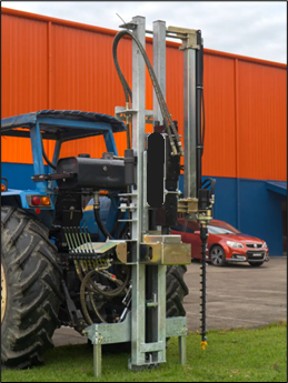
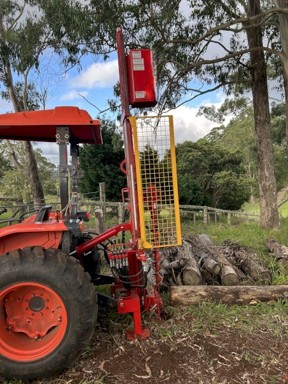
Figures 1 and 2: Typical hydraulic percussion fence post drivers, attached to a tractor (note Figure 1 shows a percussion hammer and Figure 2 shows a drop hammer unit).
Action required
To minimise the risk of backward collapse, so far as is reasonably practicable, duty holders should implement the following controls:
Design
- Mast‑type attachments should not rely on a single component to prevent backward or sideways movement, especially where there is any potential for the primary restraint system to fail.
- Fit secondary or positive locking systems on all critical threaded components, such as:
- Lock nuts.
- Roll pins.
- Mechanical locking devices.
- Install backup restraint systems (for example, a correctly rated safety chain behind the mast) to prevent backward movement if the primary system fails.
- Backup systems should withstand shock loading and vibration, allow necessary articulation and be verified by testing.
Inspection and maintenance
Before using a post driver:
- Inspect it thoroughly to ensure it is in safe operating condition.
- Check the machine's hydraulic hoses, connections, and moving parts, to make sure there are no leaks, cracks, or damage.
- Inspect all pins, bolts, brackets, mounts and hydraulic cylinder connections before each use to confirm that:
- threaded components have not unwound (refer to Figures 3 to 5).
- retainer clips and lynch pins are fitted and secured.
- pins are not bent, missing or loose.
- Check brackets and welds for cracks, deformation or fatigue.
- Record inspections and work done, where practicable, and follow manufacturer recommendations as a minimum.
- Ensure that repairs are undertaken by a competent person.
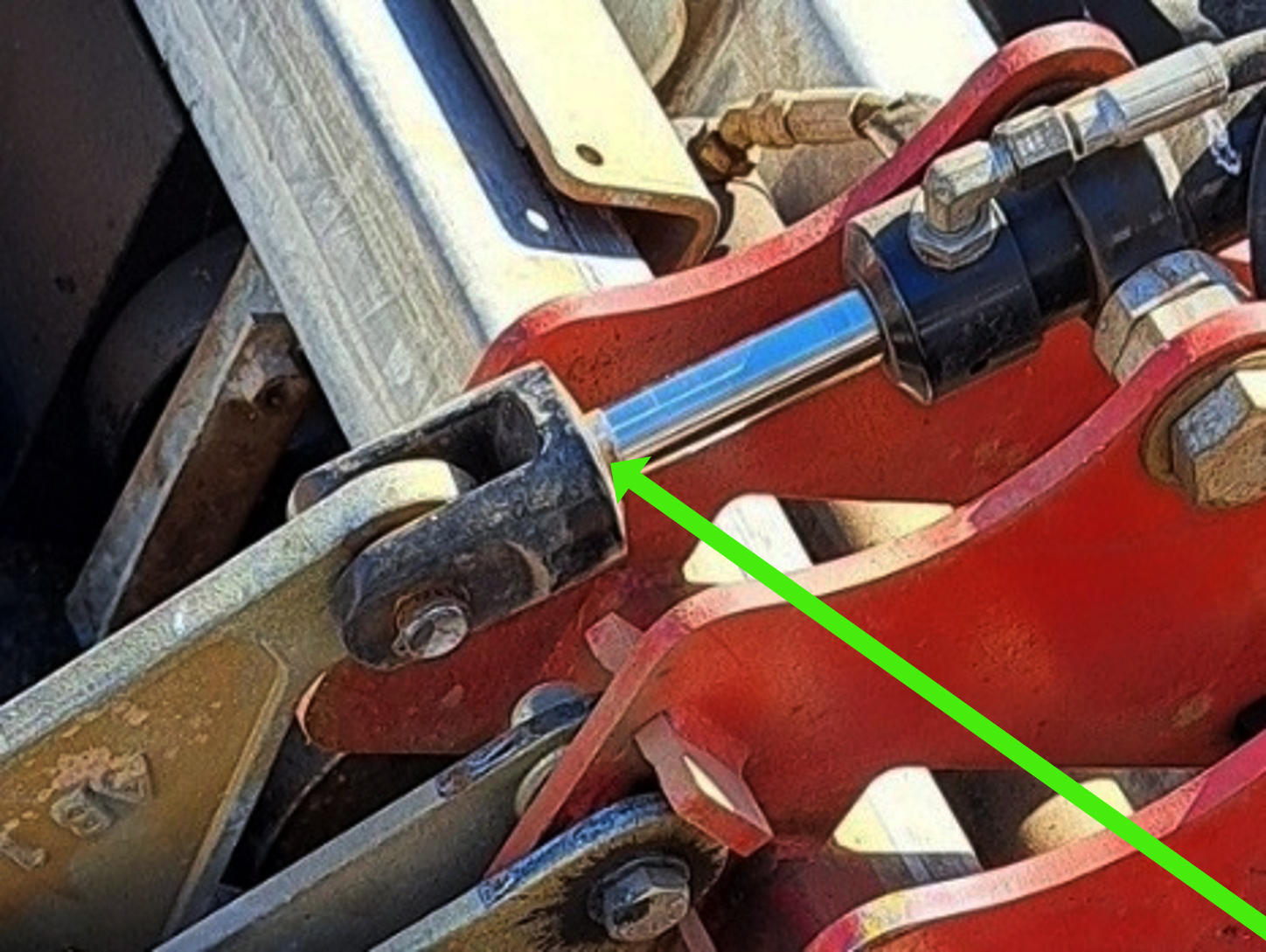
Figure 3: shows rod end tight against the cylinder rod. No visible gap can be seen between the two faces of the cylinder rod and the rod end.
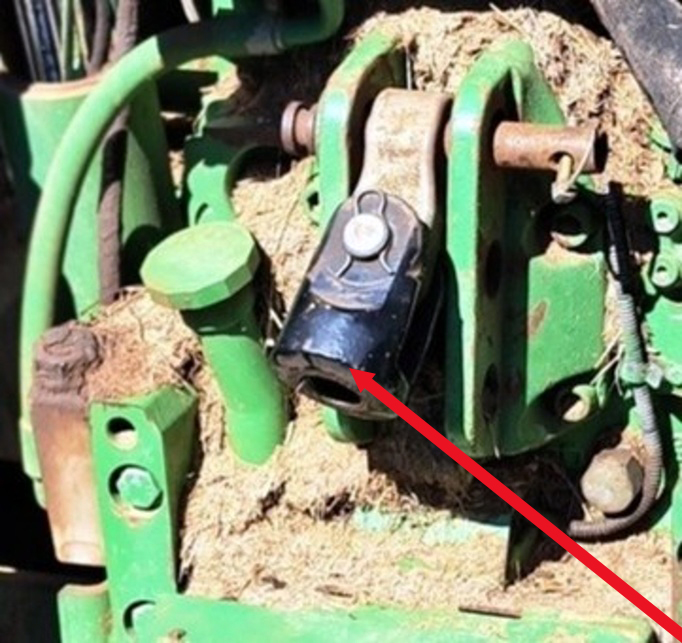
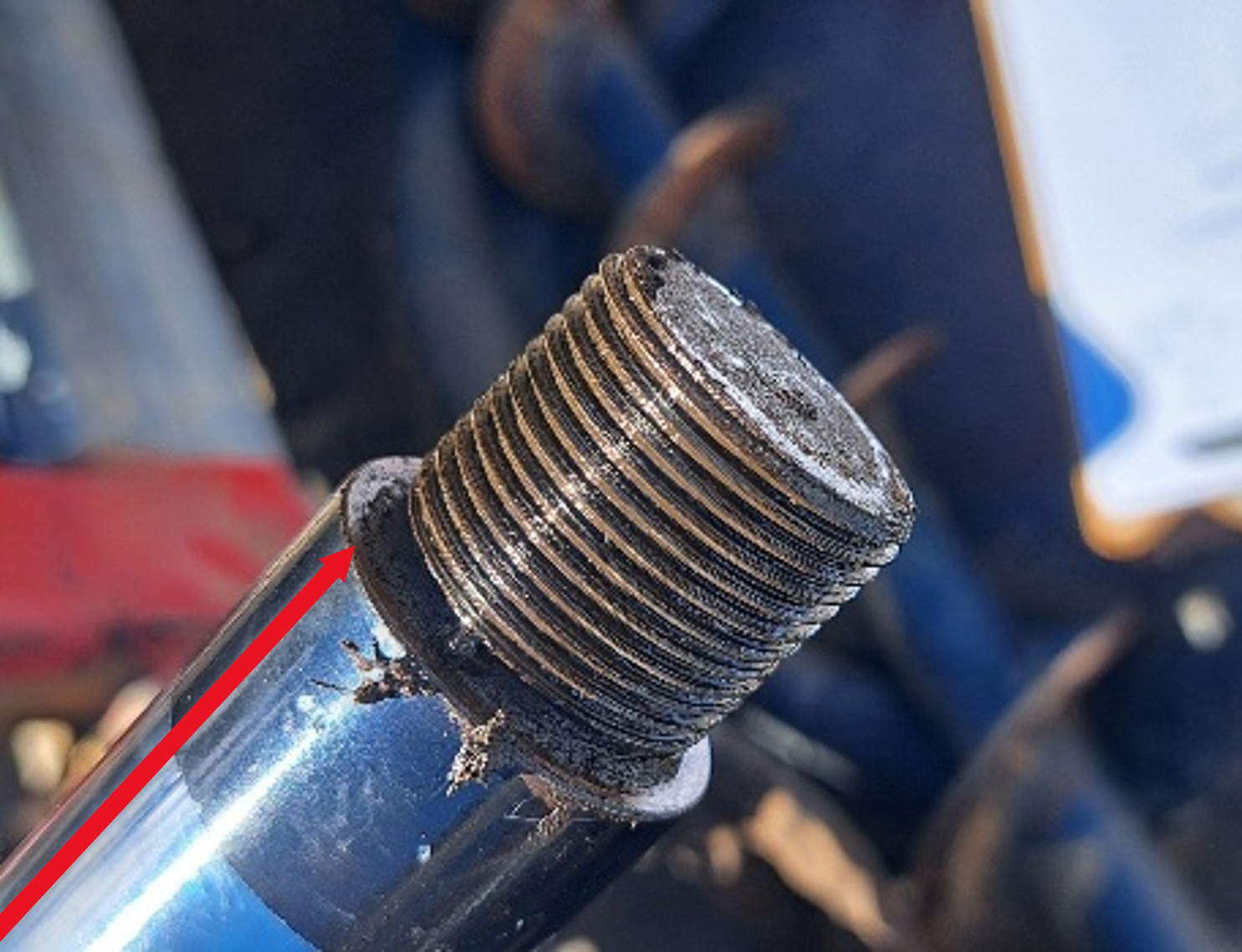
Figures 4 and 5: The rod end should be screwed down tight on the shoulder of the cylinder rod. During a pre-start inspection there should not be any gap visible between these two faces.
Safe work practices
- Always read and follow the manufacturer's instructions before operating a post driver. This includes proper starting procedures, throttle and control settings, and driving techniques.
- Never try to operate a post driver if you are not trained or experienced in using one.
- Keep all persons clear of the attachment unless it is fully lowered and positively secured.
- Use tools and methods that allow work from a safe distance.
- Shut down and isolate hydraulic systems where practicable before approaching attachments.
- Make sure moving parts are provided with guarding supplied by the manufacturer.
Training
Ensure anyone using a tractor‑mounted attachment is trained in how to safely use the equipment and how to identify unsafe equipment. This includes training on how to recognise warning signs such as exposed threads and missing parts.
Further information
Further information can be obtained from the following:
- Managing risks of plant in the workplace Code of Practice 2021 (PDF, 2.77 MB)
- How to manage work health and safety risks Code of Practice 2021 (PDF, 0.6 MB)
- Rural plant Code of Practice 2024 (PDF, 1.73 MB)